DataPrism 360
Governed decision intelligence, grounded in shared meaning
Important decisions depend on information scattered across systems, documents and teams. Reports and dashboards often show separate parts of the problem, leaving leaders to reconcile conflicting definitions, incomplete evidence and different versions of the truth.
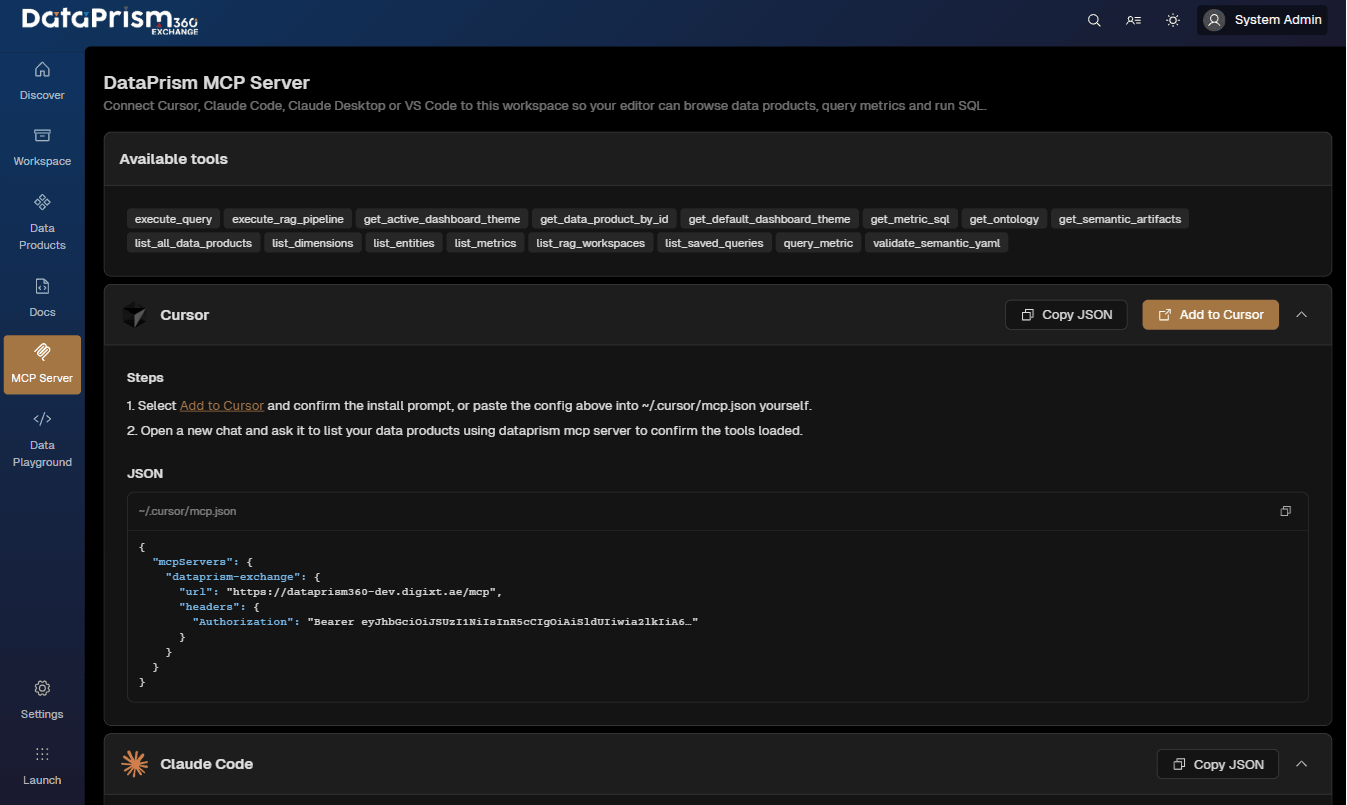
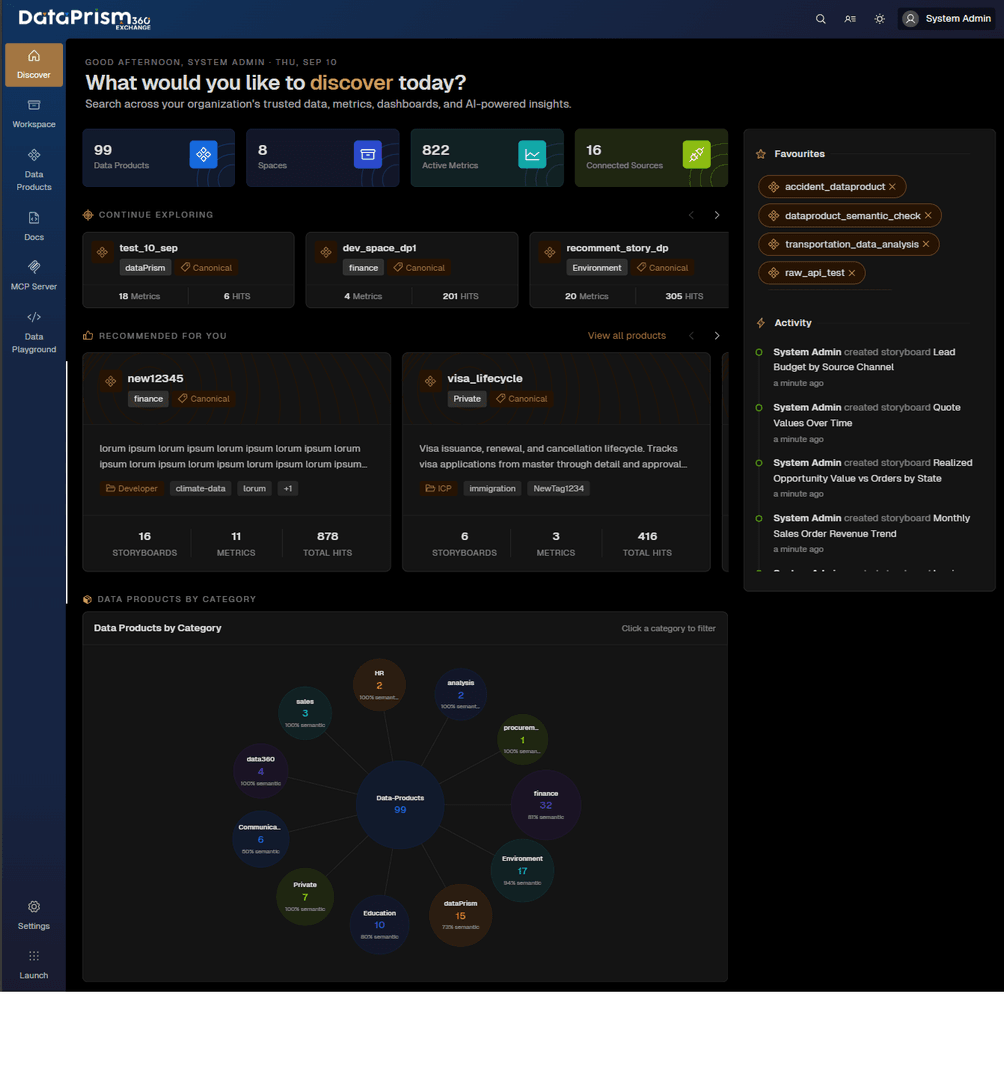
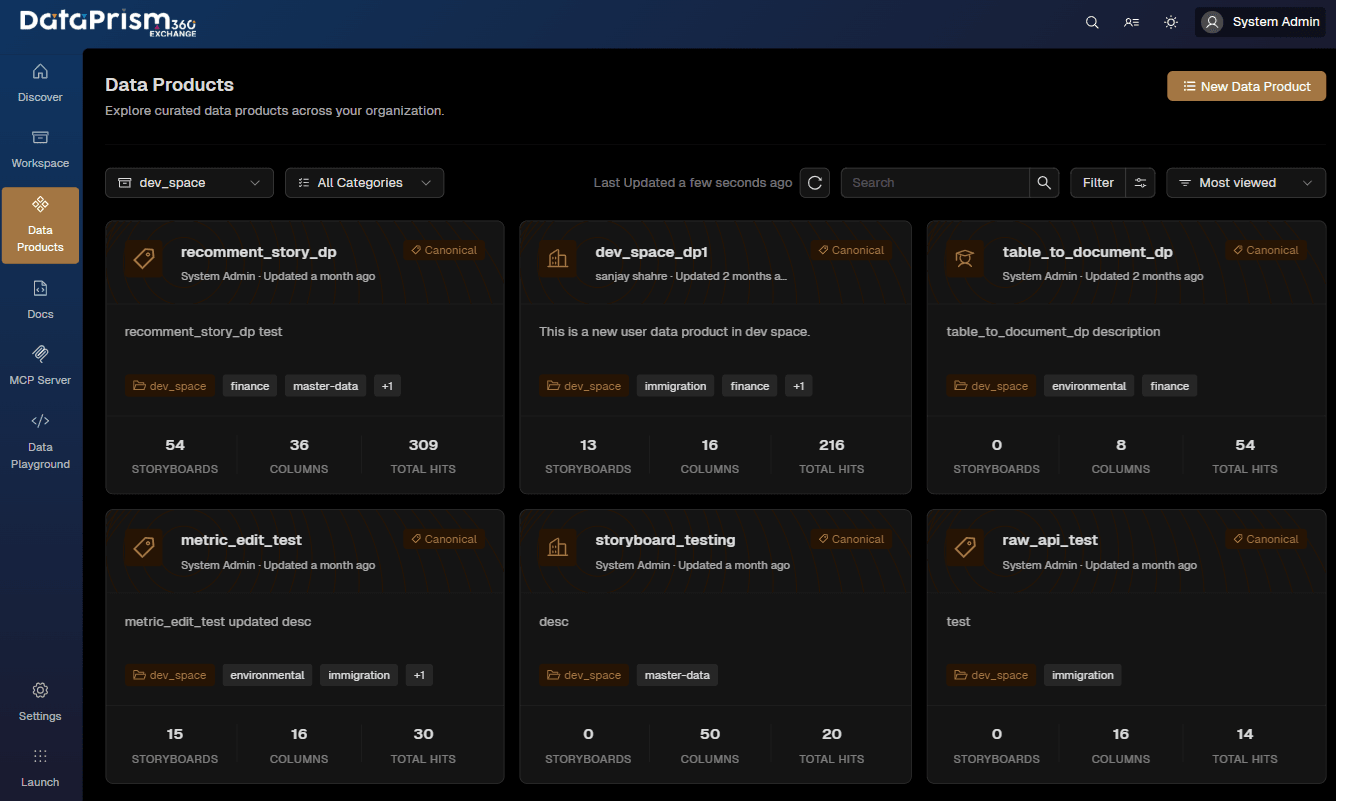
DataPrism Business gives users one portal to ask questions, explore answers, create dashboards, save and share reports, and forecast what may happen next. DataPrism Exchange connects structured and unstructured information, governs its use, and aligns business meaning through a semantic and ontology layer—so every answer is explainable and ready for action.
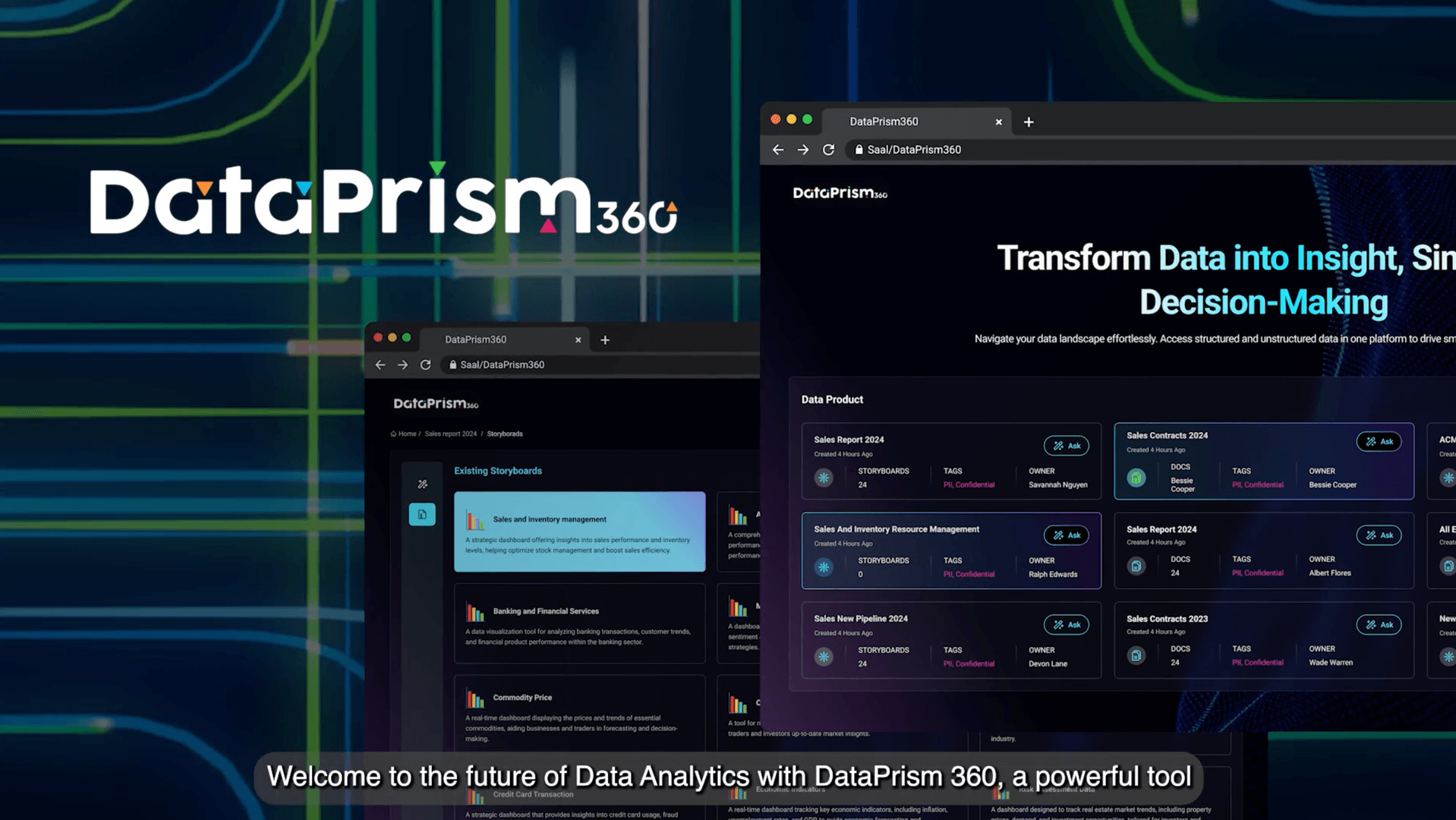
Connect the whole decision—not another fragment of it.
From disconnected data and conflicting definitions
Business questions often cross applications, databases, documents and organizational boundaries. Different definitions, inconsistent reports and manual analysis make it difficult to identify the right evidence, understand what it means and reach a conclusion people can trust.
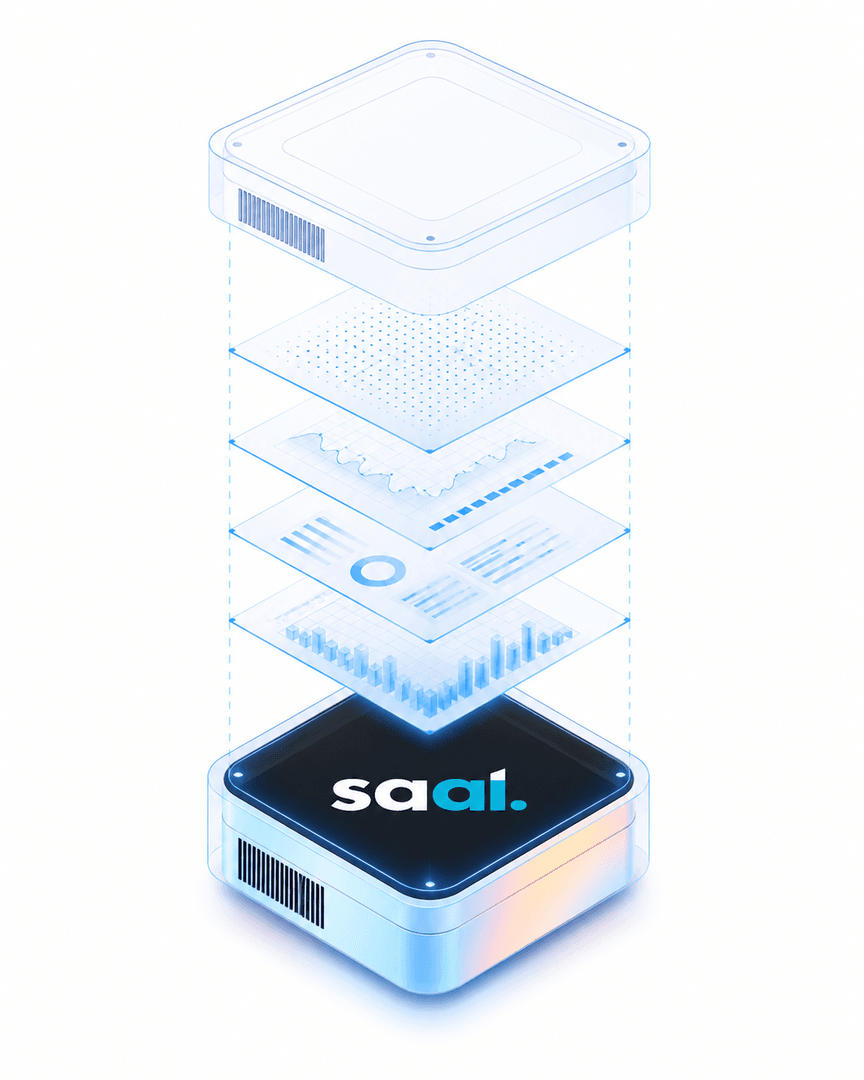
to one governed, accountable answer
DataPrism brings the question, connected evidence and shared business meaning into one governed process. Every answer retains its source context, definitions, assumptions and validation so decision-makers can understand why it is credible, review it and act with confidence.
A Closer Look at DataPrism
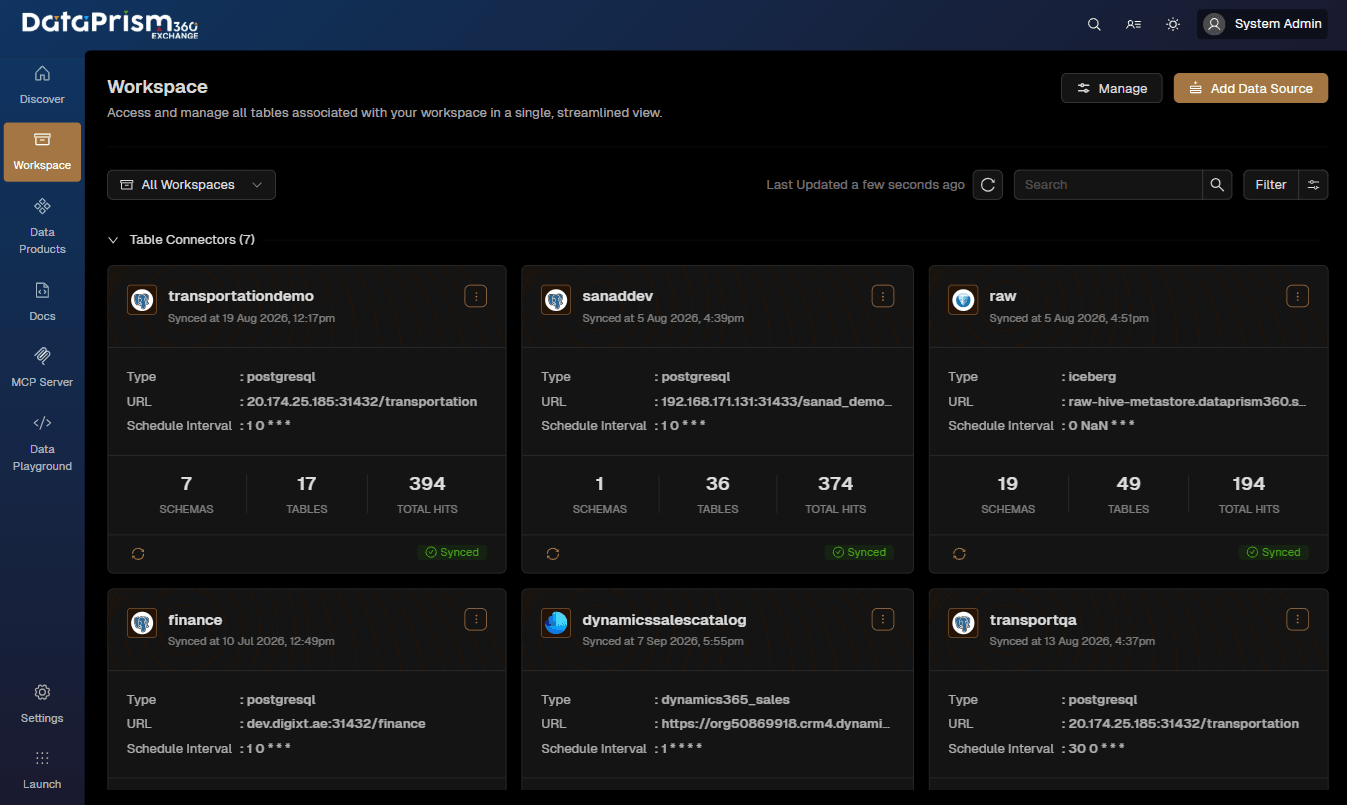
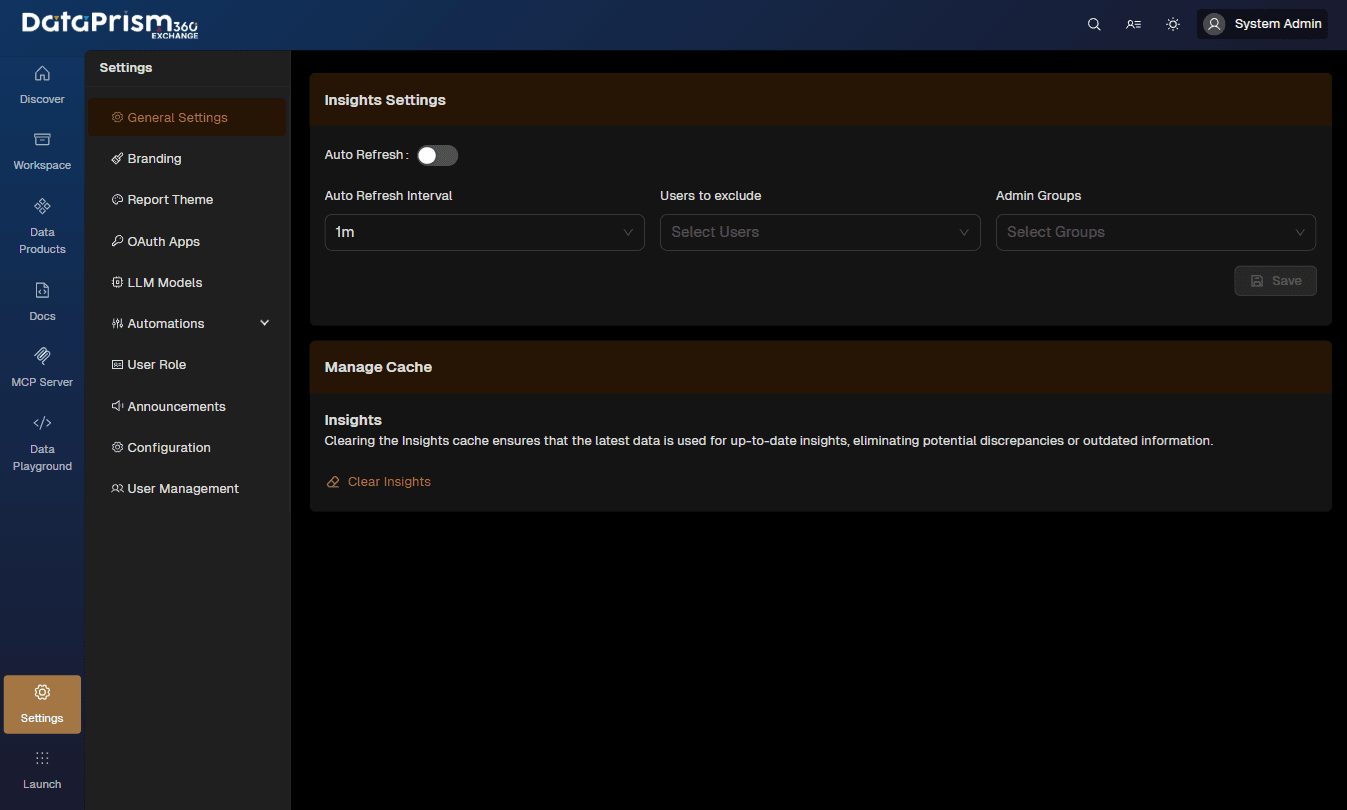


How Does DataPrism Turn a Business Question into a Governed Answer?
Ask and explore in DataPrism Business
Start with the decision, objective, time horizon and constraints in familiar business language. Explore the answer, investigate its drivers and continue asking questions without writing technical queries.
Connect evidence through DataPrism Exchange
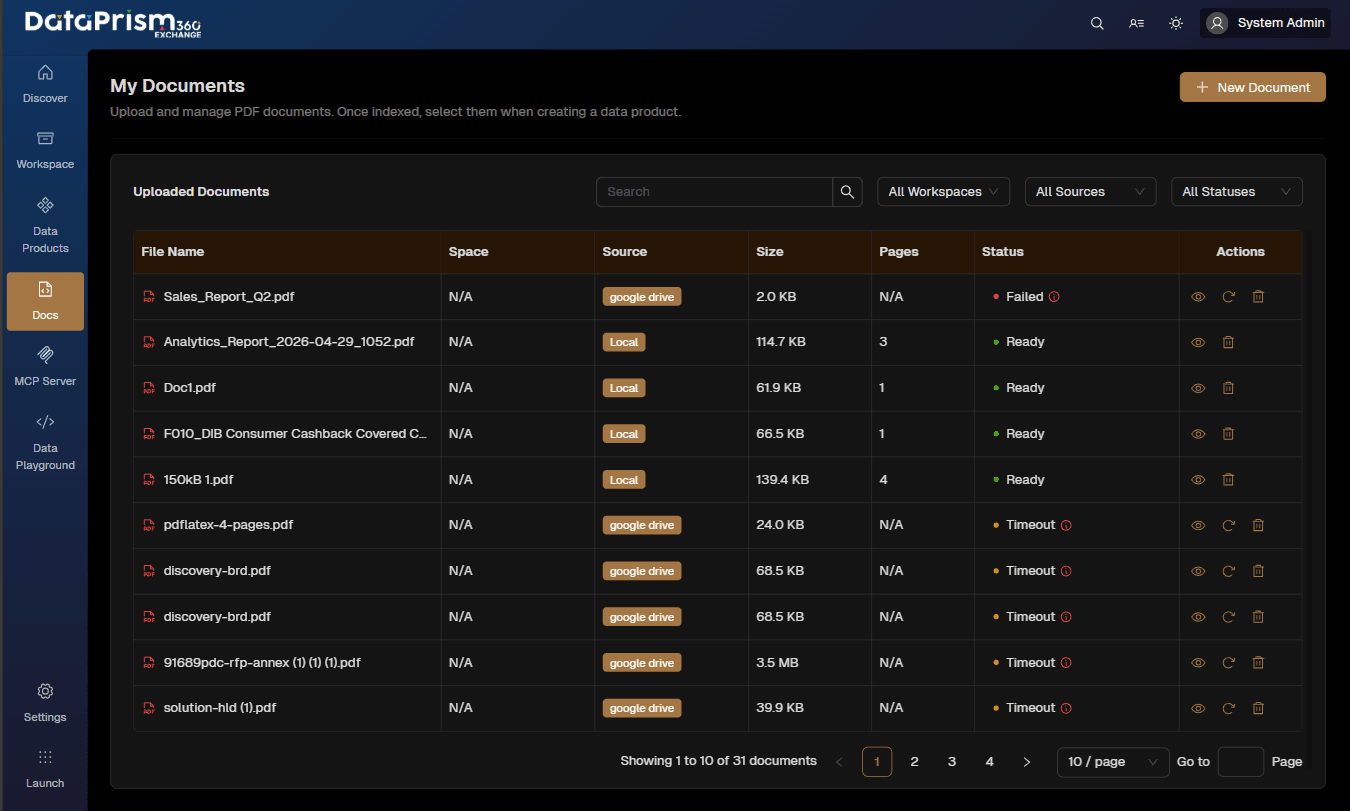
Connect approved structured and unstructured information from enterprise applications, databases, documents and operational sources. DataPrism identifies the evidence relevant to the question while respecting access and purpose.
Align meaning and apply governance
Use the semantic and ontology layer to align metrics, definitions, entities and relationships. Apply permissions, quality, lineage and policy controls so every source contributes with consistent business meaning.
Analyze, validate and deliver
Analyze the connected evidence, create forecasts or predictions where required, and validate grounding, consistency, policy alignment and explainability. Deliver the conclusion with its supporting evidence, assumptions and recommended action.
The Value of DataPrism
Give leaders and business teams faster access to answers they can understand, review and act on.
Natural-Language Decision Intelligence
Ask complex business questions in familiar language and explore the resulting insights without waiting for another reporting cycle.
Connected Enterprise Evidence
Bring together relevant information from applications, databases, documents and approved external sources.
Semantic and Ontology Context
Apply consistent business meaning across metrics, entities, definitions, relationships and organizational rules.
Governance and Traceability
Control which information contributes to an answer through permissions, purpose, quality, policy and lineage.
Dashboards and Shareable Reports
Turn useful analysis into dashboards, save reports and share findings across teams and decision forums.
Forecasting and Prediction
Use connected historical and current information to explore expected outcomes, emerging risks and what may happen next.
Built-In Validation
Use embedded Touchstone assurance to evaluate grounding, consistency, policy alignment and explainability before presenting an answer.
Explainable, Accountable Answers
Keep evidence, definitions, assumptions, validation and recommended actions visible so conclusions can be reviewed, challenged and acted on.